Women’s Sports Marketing Isn’t the Next Big Thing. It’s the Blueprint.
6 min
|
March 5, 2026
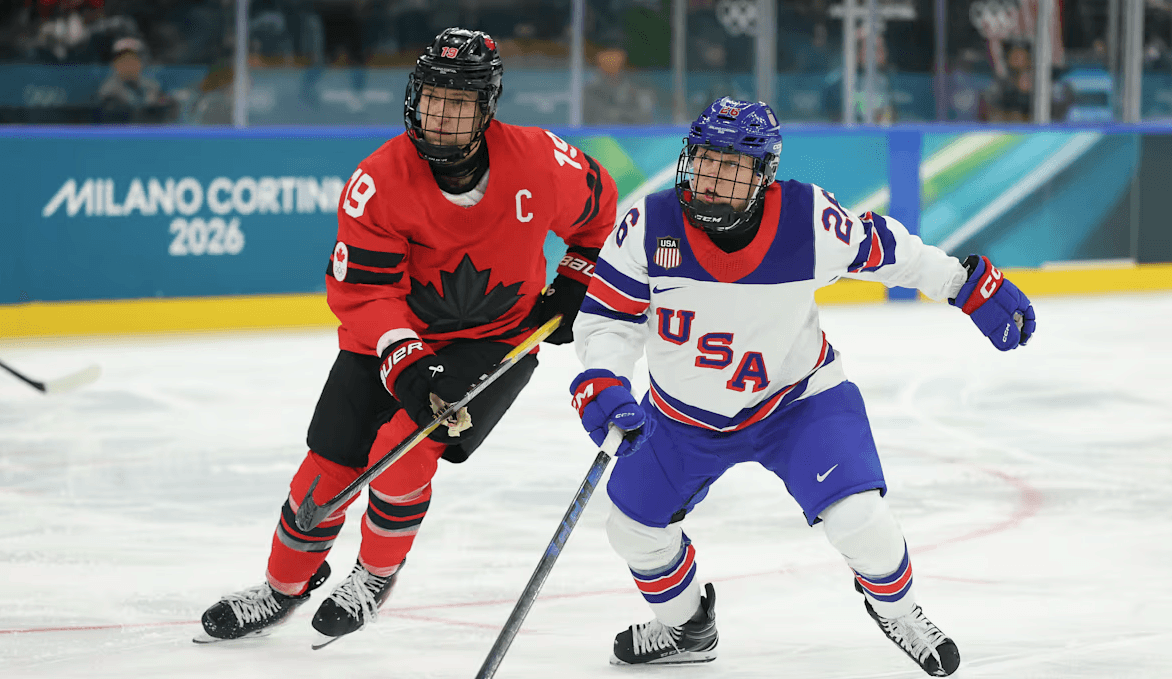
Every year, someone declares it: “This is the year of women’s sports.” Viewership spikes, social numbers surge and brands lean in. And every year, it’s framed as a breakthrough. But women’s sports isn’t having a moment; it’s building a different marketing system. One that happens to be better suited to the world we live in now. For CMOs and agency leaders, this isn’t a budget conversation. It’s a structural one.
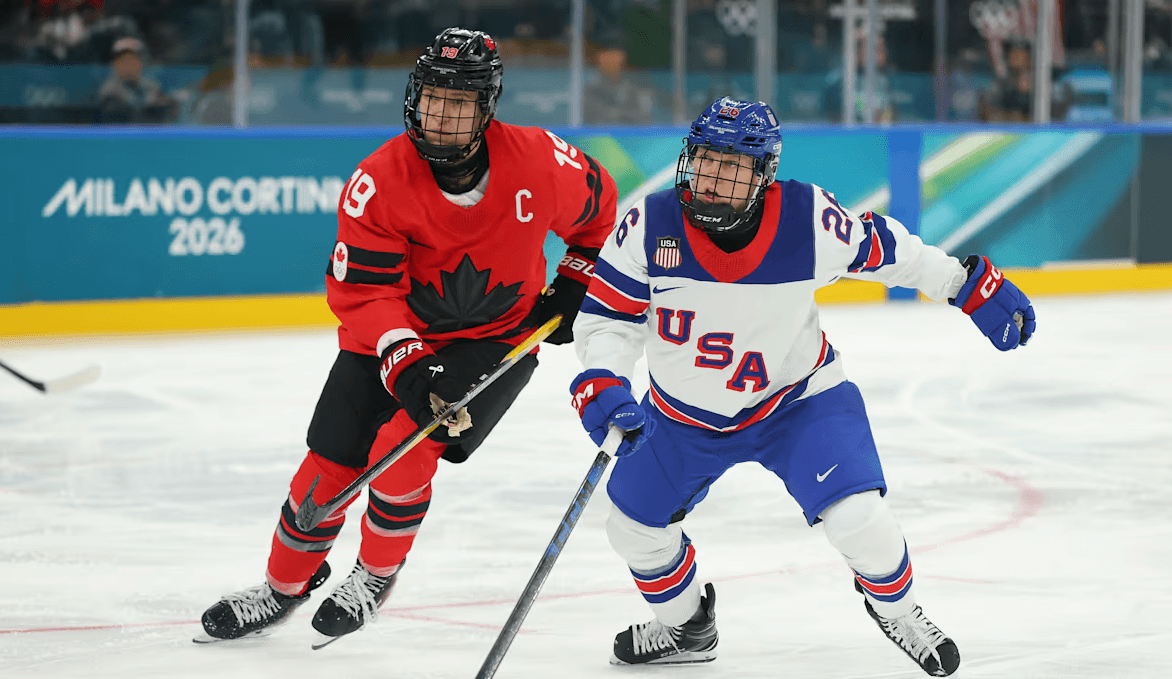
The Olympic Effect: What Happens After
If you watched the gold medal rivalry between the United States and Canada’s women's hockey teams, you saw elite sport at its peak. Overtime tension played by legacy athletes with generational stakes. It wasn’t “good for women’s hockey”, it was good sport. Period.
But here’s what should matter more to marketers: the energy didn’t evaporate when the medals were handed out. The PWHL experienced measurable momentum with ticket search spikes, attendance growth, and a cultural lift that extended beyond a single tournament cycle. That’s not awareness, it’s conversion velocity.
In marketing terms, women’s sports are compressing the funnel. A cultural moment initiated an immediate behavioural response and sustained ecosystem growth. Legacy sports often rely on broadcast gravity. Women’s sports are proving something different: community and meaning move faster than media weight.
Built for the Attention Economy
Traditional leagues were built for a broadcast era with limited channels, appointment viewing, top-down storytelling, and billion-dollar rights deals. Women’s sports didn’t inherit that infrastructure; it grew up on social platforms. Built on mic’d-up moments and behind-the-scenes training, it relied on athletes speaking directly to fans. There was no financial cushion, so the model evolved lean, creator-native, personality-forward, community-integrated, and omni-channel aware.
Now legacy leagues are scrambling to retrofit these mechanics. Women’s sports didn’t pivot into this model, it started there.

Eileen Gu and the Collapse of Category
If you want to understand the future of global luxury marketing inside sport, look at Eileen Gu. Gu didn’t cross over into fashion. She architected her brand at the intersection from day one. Before and after her Olympic medals, she fronted campaigns for Louis Vuitton, walked for Chanel, and appeared on the cover of Vogue across markets. Not as an athlete cameo, but as a fashion talent.
What makes this significant? She collapses categories as an athlete, model, and academic. She represents cross-border relevance in a geopolitically complex era and embodies a luxury consumer who is performance-driven and globally mobile. Gu proves winter sports can anchor luxury storytelling. That was unthinkable a decade ago.
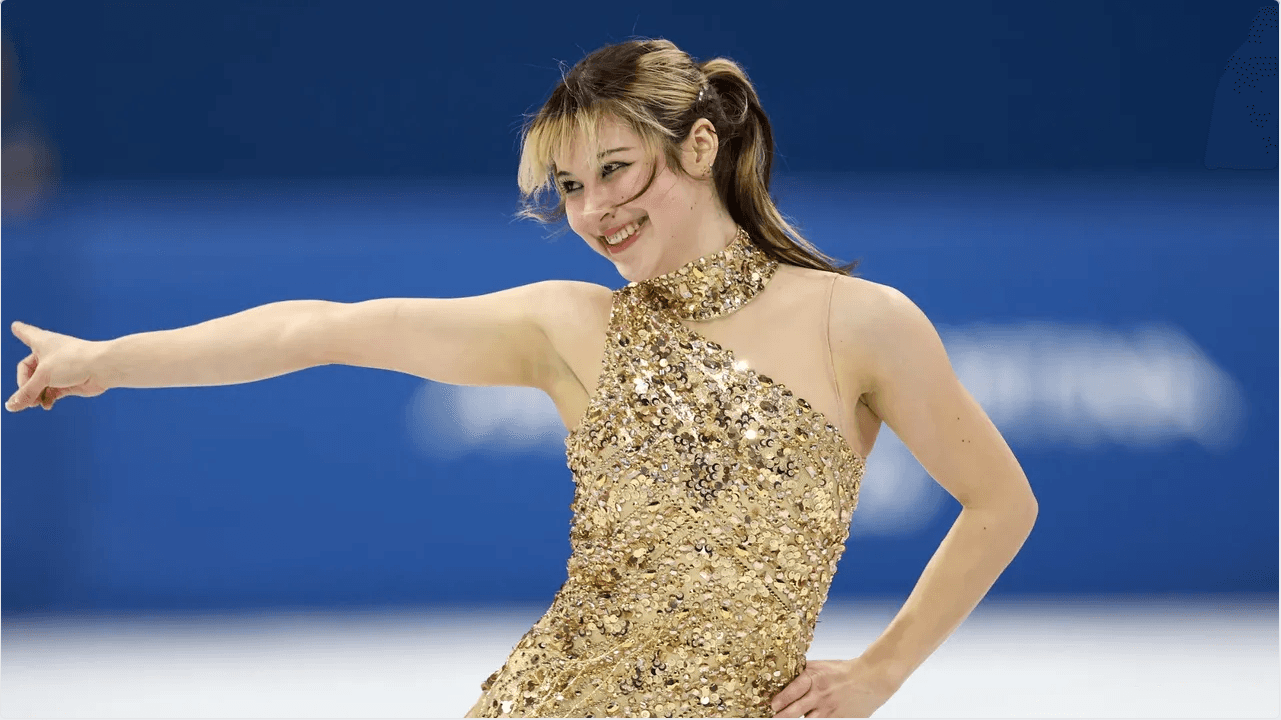
Alysa Liu and the Power of Autonomy
If Gu represents aesthetic convergence, Alysa Liu represents emotional evolution. Young champion with an early exit to then return on her own terms. Her story reflects a broader Gen Z value shift of success without self-erasure. For marketers, that matters.
After years of hyper-optimized influencer perfection, audiences respond to autonomy, transparency, and human pacing. Liu’s narrative reframes excellence as choice, not obligation. The medal may trend, but the comeback builds equity.

The WNBA and the Creator-League Model
Another great example is the WNBA. Tunnel outfits trend online, and their draft night drives fashion discourse. Players operate as creators, founders, and cultural commentators all on their own. The league behaves less like a traditional sports property and more like a distributed media network. This changes the sponsorship model to no longer be about buying endorsement inventory; it’s about building ecosystems with talent who already own attention.
Community as a Competitive Advantage
Here’s what many marketers underestimate: Women’s sports fans aren’t just spectators, they’re participants. They care about competition, but they also care about meaning, what the ecosystem represents, who it includes, and how it evolves. That sense of significance drives action. When women’s hockey surged post-Olympics, it wasn’t just emotional buzz. It translated into ticket sales and league growth. In marketing terms, awareness didn’t stall at the top of the funnel. It moved. That is structural power.
What This Means for CMOs
This isn’t about reallocating a token percentage of media spend. It’s about recognizing that women’s sports have quietly solved for direct-to-fan connection, creator-led distribution, community loyalty, cultural fluency, and integrated commerce. While legacy sports retrofit these mechanics, women’s sports are already operating within them.
In the next few years, expect more equity-based athlete partnerships, commerce embedded directly into fan ecosystems, brands piloting innovation inside women’s sports before scaling globally, and fewer walls between media, culture, and transaction. When that becomes standard practice, it won’t feel radical. It will feel inevitable.
The Real Question
Women’s sports aren’t “emerging.” They are already aligned with how modern attention works, and attention is earned. Identity shapes purchasing and community converts faster than broadcast. The question for marketing leaders isn’t whether to invest, it’s whether you’re observant enough to recognize that the blueprint for the next era of brand growth is already operating, and whether you’re willing to build inside it.

Common Froot
©2026
All Rights
Reserved

Contact us
Prefer a quick intro?
hello@commonfroot.ca