Everyone Says They’re Building Community. Most Brands Are Just Building Audiences.
6 Mins
|
February 14, 2026
Everyone Says They’re Building Community. Most Brands Are Just Building Audiences.
If you want to see what community actually looks like, go to a run club in almost any major city right now.
It’s 7am on a Saturday. Two hundred people are standing around in matching hats, someone brought cold brew, someone else brought a speaker, and half the group will stay an hour after the run pretending the whole thing was about cardio. No campaign. No paid media. No brand strategy deck explaining the vision. Just people who like the same thing deciding to keep showing up.
That’s community.
Meanwhile in marketing, “community” has quietly become the most popular word in the room. Every brand says they’re building one. Every startup claims to have one. Every pitch deck has a slide about it somewhere between brand purpose and growth flywheel. Somewhere along the way, the word started meaning something else.
Usually it means people who follow the brand on Instagram.
That’s not a community. That’s an audience. And the difference between the two is bigger than most marketers think.
Audience Watches. Community Participates.
An audience is fairly simple. A brand posts something, people see it, maybe they like it, maybe they comment. If things go well, someone shares it with a friend. But mostly they’re watching.
Communities behave differently. Communities participate. They show up. They talk to each other, not just to the brand. They bring friends, develop inside jokes, and slowly build rituals. Over time something subtle happens. The group begins to feel like it belongs to the people inside it, not the brand that helped spark it.
That’s usually the easiest test.
If the brand quietly left the room tomorrow, would anyone still stay?
If the answer is yes, you probably have a community.
If the answer is no, you probably have a social media account.
The Internet Made “Community” Convenient
Social media made it very easy to label an audience as a community. When ten thousand people follow a brand account, it can start to feel like something meaningful is happening. There are comments, reactions, the occasional DM saying someone loves the product.
But most of the time it’s still a broadcast channel with feedback.
The internet is incredible at scale. It’s incredible at distribution. But it’s not always great at creating the kind of friction and interaction that real communities require. Community tends to form around shared space. Sometimes that space is cultural, sometimes emotional, but very often it’s physical.
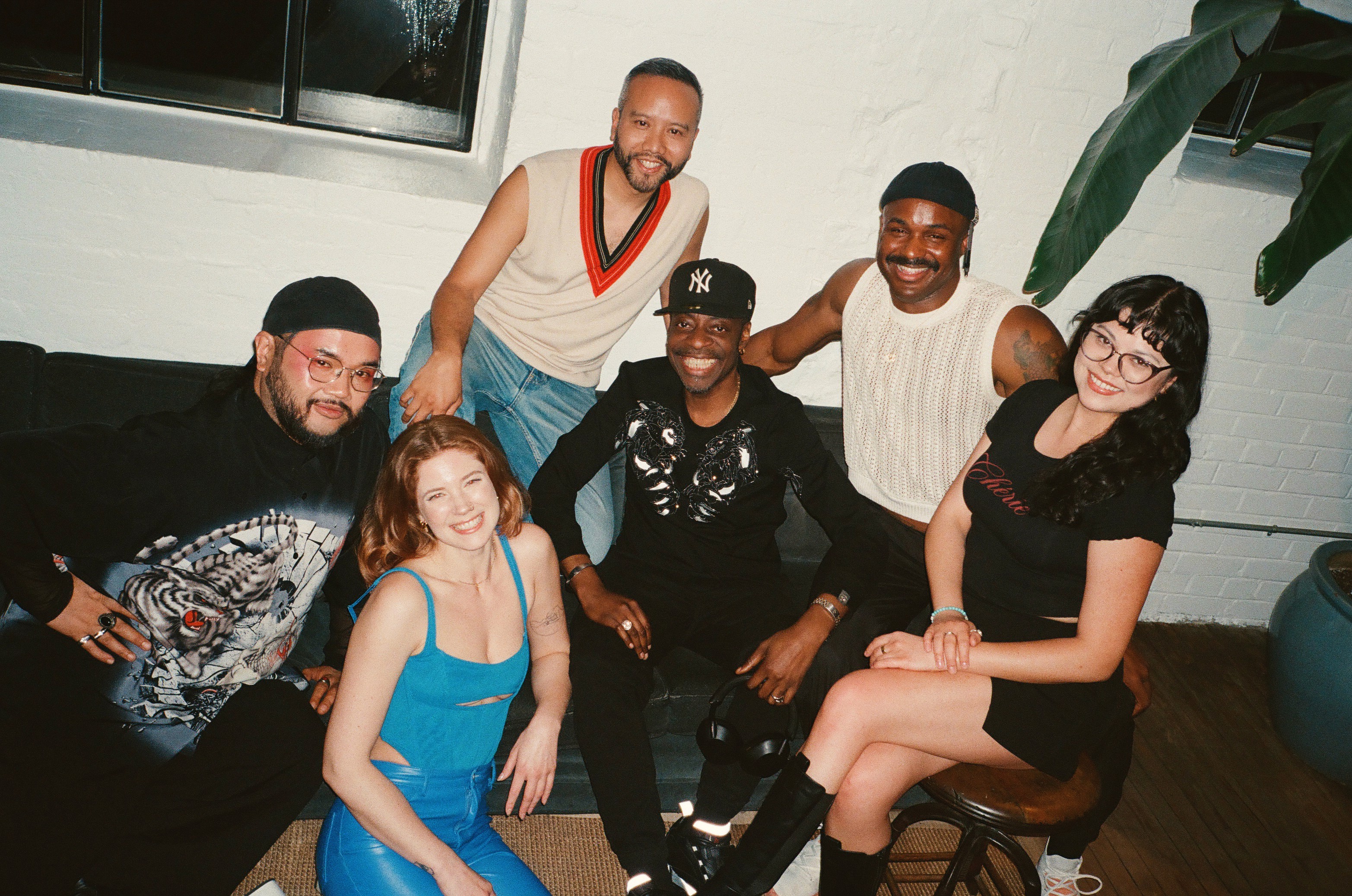
A dance floor. A studio. A weekly dinner. A club night that slowly becomes the thing everyone suddenly “discovered,” even though the same thirty people have been there every Friday for six months.
If you’ve ever been part of a scene like that, you can feel the difference immediately. No one is “engaging with the brand.”
People are just there.
Communities Usually Start in Small Rooms
If you look closely at almost any real community, it probably started somewhere small. A music scene that began with a handful of DJs and a weekly party. A creative group chat that slowly turned into monthly dinners.
Queer culture has been building communities like this long before marketing departments discovered the word. Ballroom houses in the 90s weren’t built through brand strategies. They were built through chosen family. Early L Word watch parties weren’t “community activations.” They were twenty people squeezed into a living room yelling at the screen every time Shane made another catastrophic life decision.
These things rarely start with thousands of people.
They start with ten. Maybe twenty.
People who care deeply about the same thing and decide to keep showing up.
Over time something grows around that energy. Not because someone built a marketing funnel for it, but because people brought their friends.
That’s the part many brands struggle with. Real communities grow slowly, because relationships take time.
There’s no launch button.
The Brands That Understand This Behave Differently
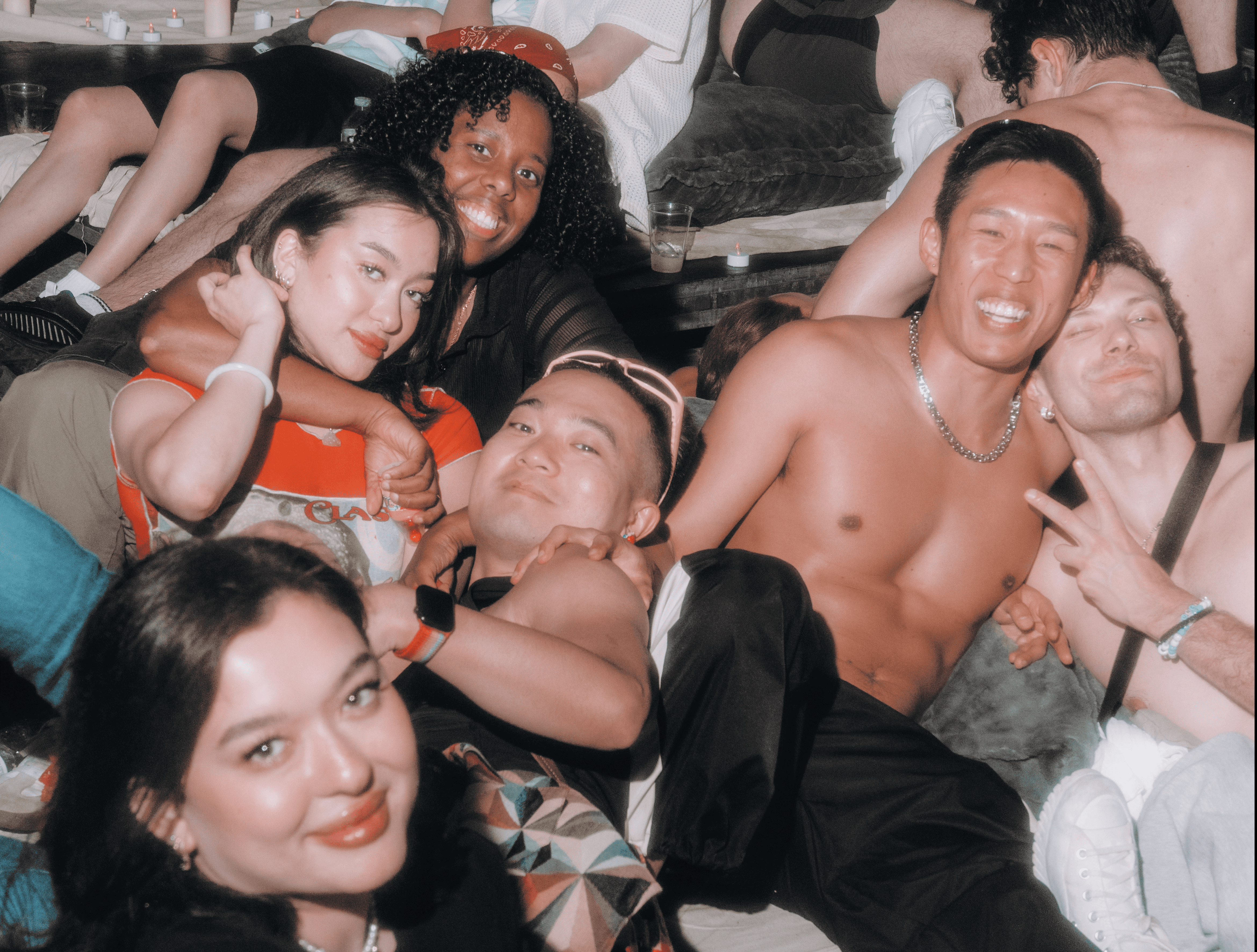
Brands that genuinely understand community tend to approach things a little differently. Instead of trying to manufacture culture, they show up where culture is already happening. Sometimes they support the space. Sometimes they fund the stage. Sometimes they collaborate with the people who already have trust inside the scene.
They don’t try to control everything.
They participate.
Which, if you’ve ever watched a brand try to enter a real cultural environment a little too aggressively, you know it can feel like someone showing up to a house party and immediately asking for the aux cord. Technically possible. Socially risky.
Communities have very strong radar for things that feel forced. The energy shifts immediately.
Everyone knows.
Community Is a Feeling, Not a Metric
Marketers love dashboards. Reach, engagement, conversion, growth. All useful things. Community, unfortunately, does not behave particularly well inside a spreadsheet.
You usually notice it in other ways.
When people bring friends without being asked.
When someone defends the brand in a comment section like they’re part of the PR team.
When merch starts appearing in the wild months after the campaign ended.
When an event sells out mostly through word of mouth and a few very persuasive group chats.
Community is less like a marketing funnel and more like hosting a dinner party. You can invite people, but the atmosphere determines whether they stay.
Anyone who has hosted a dinner party knows the difference. Sometimes people finish their drink, say thank you, and head home early.
Other times everyone is still sitting around the table two hours later debating something completely unserious, like whether Queer as Folk gave an entire generation wildly unrealistic expectations about nightlife.
That second one is community.

The Opportunity for Brands
Many of the strongest communities right now don’t feel like marketing at all. They look like run clubs that accidentally become social scenes, music collectives that slowly turn into cultural hubs, or creative groups that gather around shared interests and end up building something bigger than anyone originally planned.
Brands occasionally enter these environments.
When they do it well, they add something valuable. Resources, support, visibility, a place for the community to grow.
When they do it poorly, it feels like someone showed up to a house party and immediately tried to DJ.
Not the vibe.
The brands that understand this shift are starting to move differently. They spend less time asking how to capture attention and more time asking how to create spaces where people actually want to gather.
Sometimes those spaces live online.
But more and more, they exist in the real world.
A room.
A dance floor.
A long table where everyone stays a little longer than planned.
Because the moment people feel like they belong somewhere, something interesting happens.
They stop behaving like an audience.
They start behaving like a community.
culture / marketing / community

Common Froot
©2026
All Rights
Reserved

Contact us
Prefer a quick intro?
hello@commonfroot.ca